Local wedding flowers Colney Hatch case study Fox Lane
Posted on 26/09/2026
If you are planning a wedding in or around Colney Hatch and Fox Lane, flowers quickly become one of those details that feels small at first and then suddenly becomes the whole mood of the day. The right local wedding flowers can soften a room, lift a ceremony, and make even a simple venue feel considered. This Local wedding flowers Colney Hatch case study Fox Lane article looks at how couples typically approach wedding floristry in this part of North London, what matters most when choosing designs, and how to avoid the usual headaches that sneak in around the edges.
Truth be told, wedding flowers are never just flowers. They are timing, logistics, colour balance, weather backups, buttonholes that need to arrive looking fresh, and bridal bouquets that need to survive a taxi ride without sulking. If you want something that feels local, personal, and reliable, the details matter. A lot.
Below, you will find a practical guide that covers the planning process, common pitfalls, best-practice considerations, and a realistic case-study style example you can use as a planning reference.
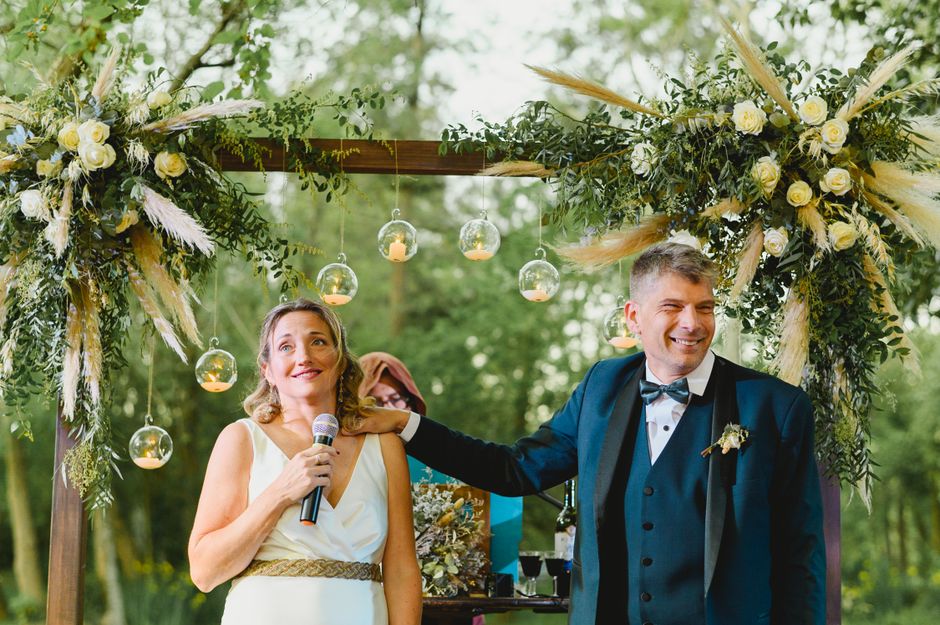
Table of Contents
- Why Local wedding flowers Colney Hatch case study Fox Lane Matters
- How Local wedding flowers Colney Hatch case study Fox Lane Works
- Key Benefits and Practical Advantages
- Who This Is For and When It Makes Sense
- Step-by-Step Guidance
- Expert Tips for Better Results
- Common Mistakes to Avoid
- Tools, Resources and Recommendations
- Law, Compliance, Standards, or Best Practice
- Options, Methods, or Comparison Table
- Case Study or Real-World Example
- Practical Checklist
- Conclusion
- Frequently Asked Questions
Why Local wedding flowers Colney Hatch case study Fox Lane Matters
Local wedding flowers matter because weddings are built on timing and atmosphere, and flowers do both jobs at once. For couples in Colney Hatch and around Fox Lane, local floristry is often about more than convenience. It is about working with someone who understands local delivery windows, venue access, traffic pinch points, and the simple fact that flowers do not always behave the way you hope on a busy wedding morning.
A local approach also helps with the softer side of planning. You can talk about the shape of the ceremony space, the feel of the reception, and whether the flowers should lean romantic, modern, classic, or quietly seasonal. You will notice that this kind of conversation tends to produce better results than sending a couple of screenshots and hoping for the best. That can work, of course, but it is a bit like planning a meal from three ingredients and a prayer.
In a case study context, the value lies in showing how a wedding flower plan is actually built: the couple's priorities, the bouquet style, the choice of focal blooms, the ceremony setup, and the way arrangements move from one part of the day to the next. That practical sequence is what many generic pages miss.
Local knowledge also matters when you want a florist to respond quickly if there is a change. A late venue update, a revised guest count, or a last-minute buttonhole addition is much easier to manage when the team is nearby and used to local wedding logistics.
How Local wedding flowers Colney Hatch case study Fox Lane Works
At its simplest, the process starts with the couple's brief and ends with flowers in place on the day. In between, there are a few moving parts that should be treated with care rather than rushed.
A solid local wedding flower process usually includes:
- an initial consultation to understand style, budget, and venue layout
- seasonal suggestions that fit the wedding date and colour palette
- sample references for bridal bouquets, bridesmaid bouquets, buttonholes, and table arrangements
- a clear plan for delivery, installation, and collection if needed
- practical backups for weather, transport, or room changes
For weddings near Colney Hatch, one useful habit is to think in zones rather than individual items. Ceremony flowers, bridal party flowers, and reception flowers all serve different roles. A bouquet for close-up photographs has different priorities from a table arrangement that needs to hold attention for hours under warm light. Simple enough in theory, but easy to muddle if everything is being decided in one rushed conversation.
Local florists also tend to think in terms of arrival timing. Cut flowers are perishable, and wedding mornings are famously unpredictable. A bouquet that looks perfect at 9:00 a.m. may need careful handling by 1:00 p.m., especially if the couple is moving between prep locations, registry-style ceremonies, or venues with limited access. That is where a florist's experience starts to show.
On the product side, many couples choose dedicated wedding lines such as wedding flowers and collections, along with items for the bridal party like bridal bouquets and bridesmaid bouquets. Buttonholes and table flowers often complete the picture with a consistent look across the day.
Key Benefits and Practical Advantages
Choosing local wedding flowers for a Colney Hatch and Fox Lane wedding brings a few real-world benefits that are easy to overlook when you are still deep in inspiration boards and colour swatches.
- Better coordination: Local delivery usually makes timing easier, especially if the ceremony and reception are in different places.
- More flexible planning: If a detail changes, a nearby florist is often easier to contact and update.
- Stronger venue fit: Local florists are more likely to understand how flowers will look in smaller halls, modern spaces, churches, or homes used as prep locations.
- Better seasonal choices: Seasonal blooms tend to feel fresher and often sit more naturally within the wedding palette.
- Less stress on the day: You are not hoping a long courier journey goes perfectly. That matters, honestly.
There is also a more subtle advantage: local wedding floristry tends to feel less generic. That does not automatically mean it is bespoke, but it does make it easier to shape the flowers around the day rather than forcing the day around the flowers. Small difference, big effect.
Another practical plus is better quality control. A florist who is preparing arrangements nearby can usually check condition, finish, and presentation more closely before the flowers leave the shop. If you have ever seen a bouquet bounce around in a van for too long, you will know why that matters.
Who This Is For and When It Makes Sense
This approach is a good fit for couples who want their flowers to feel personal, local, and dependable. It is especially useful if you are planning a wedding in or near Colney Hatch and want arrangements that can be delivered with minimal fuss.
It tends to make sense for:
- couples planning a ceremony and reception within the same part of North London
- brides and grooms who want tailored advice rather than one-size-fits-all bundles
- people working to a sensible budget and wanting a clear split between must-have items and nice-to-have extras
- couples who care about seasonal flowers and a coherent colour story
- families who want practical support for delivery timing, setup, and replacements if needed
If your wedding is very large, highly styled, or heavily themed, local floristry still works well, but you will want earlier planning and clearer notes. If your wedding is smaller and simpler, local wedding flowers can be one of the easiest ways to create atmosphere without overcomplicating the day.
It is also a sensible route if you are trying to avoid the odd chaos that comes with juggling multiple suppliers. One good florist can make a surprising amount of the day feel held together. Not in a dramatic sense. Just in that quiet, reassuring way where you arrive at the venue and think, yes, this is working.
Step-by-Step Guidance
Here is a practical way to approach local wedding flowers without getting lost in the details.
- Start with the venue and timing. Before you choose blooms, think about where the ceremony and reception will happen, how much space there is, and when the flowers need to be delivered.
- Set the floral priorities. Decide what matters most: bridal bouquet, ceremony arrangements, table centrepieces, buttonholes, or all of the above.
- Choose a palette that works in the room. Pale flowers can look elegant in daylight but disappear in certain evening settings. Stronger colours can help a room feel alive.
- Pick flowers with the season in mind. Seasonal choices often feel more natural and can be easier to source consistently.
- Build the bouquet style first. Once the main bouquet is defined, the rest of the flowers can echo it without becoming a copy-paste job.
- Plan the supporting pieces. Buttonholes, bridesmaid bouquets, table arrangements, and welcome flowers should support the main design rather than compete with it.
- Confirm delivery and setup. Make sure the florist knows where to arrive, who to speak to, and what time access is available.
- Leave room for a backup plan. Weather, traffic, and room changes happen. A clear backup note saves stress later.
For couples browsing product ideas, it can help to look at connected items such as wedding table arrangements and wedding buttonholes so the whole plan feels coordinated rather than pieced together from separate ideas.
A small but useful tip: take photographs of the venue in natural light if you can. Morning window light, late afternoon shadows, low ceiling light - all of that changes how flowers read in the room. It is one of those details people forget until the day, and then wish they had not.
Expert Tips for Better Results
After working through plenty of wedding plans, a few habits consistently lead to better floral results. None of them are glamorous. That is usually the point.
- Choose one hero flower or style anchor. It might be roses, lisianthus, orchids, or a loose garden style. One anchor keeps the whole scheme coherent.
- Use texture as well as colour. A bouquet can look flat if everything is the same shape. Mixing petal forms adds depth.
- Match scale to the venue. Small arrangements can get lost in large rooms, while oversized pieces can overwhelm intimate spaces.
- Be honest about budget. A florist can usually do more with a clear budget than with a vague wish for "something beautiful" and no numbers attached.
- Think about photographs. Some flowers are lovely in person but read differently on camera. Ask how the arrangement will look in close-up and from a distance.
- Keep the bridal bouquet comfortable to hold. Lovely is important, yes, but so is not feeling like you are carrying a small shrub for three hours.
To be fair, a lot of wedding flower stress comes from trying to make everything unique. You do not need each element to reinvent the wheel. The smarter move is consistency. Repeat shapes, repeat tones, repeat textures with a little variation. That is what makes a wedding feel considered.
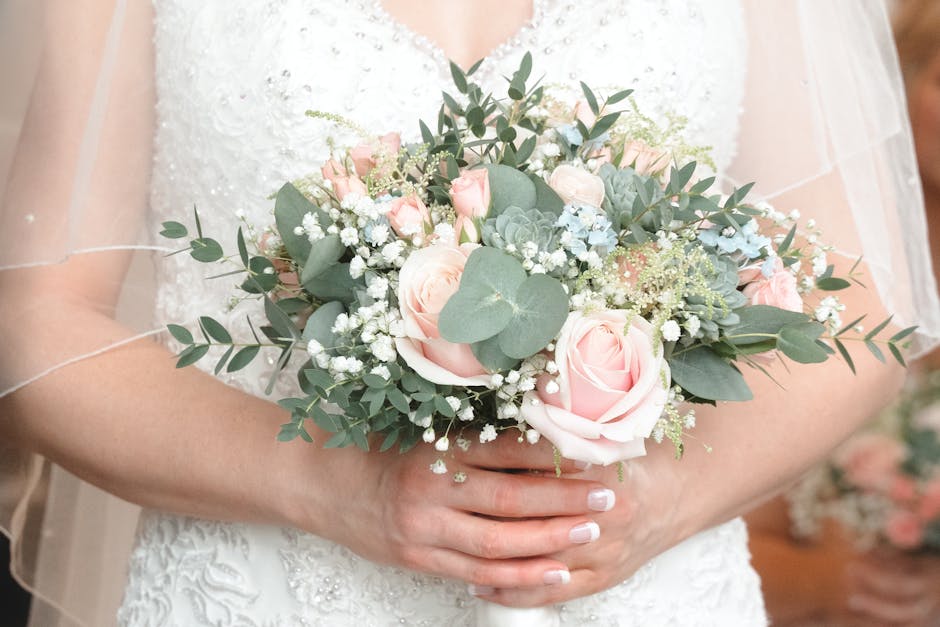
If you want a refined, cohesive finish, it often helps to browse a few aligned styles, such as white bridal bouquet options or wedding collections with a coordinated look. That gives you a useful reference point before you commit.
Common Mistakes to Avoid
Wedding flowers are one of those areas where small oversights can cause disproportionate stress. The good news is that most mistakes are avoidable if you slow down just a little.
- Leaving the floral brief too late. Popular dates fill up fast, and late planning limits choice.
- Choosing flowers without thinking about the venue. A bouquet may be beautiful and still look wrong in the space.
- Ignoring practical handling. Delicate stems, awkward ribbon choices, and heavy arrangements can become a nuisance on the day.
- Forgetting about buttonholes and smaller items. These tiny details are easy to overlook and then suddenly everyone notices.
- Overloading the colour palette. Too many competing shades can make the day feel visually noisy.
- Assuming every flower will be available. Substitutions happen, especially with seasonal or imported stems.
Another common one: not asking how the flowers will be kept fresh between delivery and use. Sometimes the answer is obvious. Other times it is not, and that gap can matter. A cool room, a shaded prep space, and a sensible setup order can make a bigger difference than people expect.
And yes, a lovely sample image from the internet can be useful. Just do not treat it like a promise. It is inspiration, not a contract. Tiny but important difference.
Tools, Resources and Recommendations
You do not need a mountain of tools to plan wedding flowers well. What you do need is a simple way to keep decisions organised.
- Colour references: Save a few images that show the exact tone you want, not just the general style.
- Venue photos: Include entrance photos, table layouts, ceremony backdrops, and natural light shots if possible.
- Guest list basics: Helpful for estimating buttonholes, table flowers, and any family arrangements.
- Budget split: Write down what matters most so spending stays focused.
- Timing notes: Keep a simple outline of when flowers need to arrive, be placed, and be moved.
For product inspiration, the local site range can be useful when you want to compare structure and style. For example, bridal bouquet designs, bridesmaid bouquet styles, and groom buttonholes can help you see how a wedding set is built across different roles in the day.
If you are trying to keep the whole occasion easy to manage, also think about practical supporting options like delivery information and the florist's flower care guidance. Those pages matter more than people think, especially when the flowers need to look good from first photo to final toast.
Law, Compliance, Standards, or Best Practice
For wedding flowers, the most relevant compliance topics are usually practical rather than heavily regulated. Still, there are a few standards and best practices worth keeping in mind.
First, delivery and refund terms should be clear. If flowers are damaged, late, or not as expected, it helps when the florist has transparent terms around replacements, returns, or resolution. It is sensible to read the business's policies before paying, especially for a time-sensitive event. Likewise, payment terms should be understood in advance so there are no awkward surprises later.
Second, if flowers are being installed at a venue, access rules, health and safety guidance, and venue timing windows should all be respected. Many venues have their own requirements for arrival, parking, and setup. That is normal. Wedding mornings can be busy enough without a van blocking a narrow access road or a florist trying to set up in the wrong room.
Third, good floristry best practice includes careful handling of fresh stems, tidy presentation, and realistic substitution advice. If a specific bloom is unavailable, a trustworthy florist should explain the alternative clearly rather than forcing an awkward replacement and hoping nobody notices. People do notice. They always do.
If you want to understand the business side a little better, useful pages like terms and conditions, returns and refund information, and guarantees help set expectations in a straightforward way.
One more gentle note: if you are arranging flowers for a mixed guest list or culturally specific ceremony details, ask early. It is much easier to design respectfully and accurately when those details are discussed before the order is locked in.
Options, Methods, or Comparison Table
There is more than one way to approach wedding flowers, and the best option depends on budget, venue, and how much variety you want across the day. Here is a simple comparison that helps narrow things down.
| Approach | Best For | Strengths | Watch Outs |
|---|---|---|---|
| Classic coordinated set | Couples who want a polished, consistent look | Easy to manage, good visual unity, simple to brief | Can feel plain if the palette is too safe |
| Seasonal mixed design | Couples who want a softer, more natural feel | Fresh look, often more flexible with availability | Needs a florist with a good eye for balance |
| Statement bouquet-led plan | Smaller weddings or couples prioritising portraits | Strong focus on the bride's bouquet, efficient use of budget | Other areas may need extra thought so the day still feels complete |
| Venue-wide floral styling | Larger weddings or highly styled receptions | Immersive atmosphere, strong room transformation | More complex logistics and higher cost pressure |
If you are unsure which route to choose, a good rule is to start with the bouquet and ceremony focal point, then build outward. It is easier to expand a good idea than to rescue an overcomplicated one.
Case Study or Real-World Example
Here is a realistic example of how a local wedding flower plan might come together for a couple marrying near Colney Hatch and Fox Lane. This is a style example rather than a claim about a specific order, so treat it as a planning model.
The couple wanted a refined but relaxed feel. They were not chasing a heavily styled luxury look, but they did want the flowers to feel thoughtful in photos and in the room. Their shortlist included a bridal bouquet, two bridesmaid bouquets, groom's buttonhole, a small group of buttonholes for close family, and a handful of table arrangements for the reception.
They began with a soft palette and chose the bouquet as the lead piece. That was smart. Once the bouquet was set, the other elements became easier to line up. The bridesmaid bouquets echoed the main shape but sat slightly smaller and calmer, which helped avoid that awkward "everyone is carrying the same thing" look. A few matching buttonholes gave the party a neat visual thread without turning the whole thing into a floral parade.
For the reception, the florals were kept intentionally simple. Instead of trying to fill every surface, the couple focused on a few visible areas: the top table, a welcome point, and select dining tables. That created enough presence without pulling the budget in too many directions. A couple of taller pieces would have looked lovely too, but honestly, the room did not need them.
What made this style of plan work was not extravagance. It was discipline. One colour story, one bouquet direction, and a clear idea of where the eye should go first. Very boring to say, very effective in practice.
When the day arrived, the flowers needed only a little handling and a sensible setup window. That is the quiet win local wedding flowers are meant to deliver: less scrambling, fewer unknowns, and a finished look that feels easy rather than forced.
Practical Checklist
Use this checklist to keep the planning process steady and avoid those annoying last-minute gaps.
- Confirm ceremony and reception locations
- Note delivery address, access point, and contact number
- Choose bouquet style before ordering smaller items
- Decide on colour palette and any must-have blooms
- Check whether the venue has any setup or parking rules
- List all bouquet, buttonhole, corsage, and table flower requirements
- Clarify substitution preferences in case a flower is unavailable
- Ask how flowers will be kept fresh before the ceremony
- Confirm payment terms and final order deadline
- Keep a simple day-of contact plan for the florist, planner, or venue coordinator
Quick practical takeaway: if the bouquet, delivery timing, and venue access are right, most of the rest becomes much easier. Not effortless, no, but easier. And on a wedding morning, easier is gold.
Get a free quote today and see how much you can save.
Conclusion
Local wedding flowers in Colney Hatch and around Fox Lane work best when they are planned with the day itself in mind, not just with pretty pictures. Think about the venue, the timing, the handling, the photo moments, and the practical bits that no one notices when they go well. That is the real job of good wedding floristry.
A strong local florist helps you keep the process calm, coherent, and grounded. They make it easier to choose the right stems, keep the design consistent, and avoid the sort of little misfires that can turn into big stress. In other words, the flowers should support the day, not become the day.
If you are at the stage of comparing styles, confirming delivery details, or deciding which parts of the wedding deserve the most floral attention, you are already on the right path. Keep it simple, keep it local where it makes sense, and trust the details. They do add up.
And when the room finally fills with colour, scent, and that quiet wedding-morning buzz, it all feels worth it. Every bit of it.
Frequently Asked Questions
What does local wedding flowers Colney Hatch case study Fox Lane actually mean?
It refers to a practical look at how wedding flowers are planned, delivered, and styled for couples in the Colney Hatch and Fox Lane area. The case-study angle focuses on real planning decisions rather than just product listings.
How far in advance should I book wedding flowers in Colney Hatch?
As early as you reasonably can, especially for busy wedding dates. Early booking gives you more choice on design, seasonal blooms, and delivery timing. Leaving it late usually narrows the options.
What flowers work best for a local wedding bouquet?
That depends on your season, colour palette, and the feel of the wedding. Roses, lisianthus, orchids, and mixed seasonal stems are all common choices, but the best result comes from matching the bouquet to the venue and the rest of the day.
Should the bridal bouquet match the bridesmaid bouquets exactly?
Not necessarily. It often looks better when the bridesmaid bouquets echo the bridal bouquet without copying it exactly. A softer variation keeps the look coordinated but not repetitive.
Can local wedding flowers be delivered on the morning of the wedding?
Yes, that is common, provided the florist has clear access details and timing instructions. Morning delivery is often ideal because it keeps flowers fresh and allows time for setup before guests arrive.
What if one of my chosen flowers is unavailable?
A good florist should suggest a sensible substitution that keeps the colour, texture, and style intact. This is normal in wedding floristry, especially with seasonal stems. It is better to plan for that possibility early.
How do I keep wedding flowers fresh before the ceremony?
Keep them somewhere cool, shaded, and away from direct sunlight or heat sources. Follow the florist's care guidance closely. If flowers are being moved between locations, make sure someone responsible knows where they should go and when.
Are local wedding flowers more expensive than ordering online?
Not always. Local service can sometimes offer better value because you are paying for planning support, delivery coordination, and handling, not just the flowers themselves. The right comparison is total value, not just item price.
What should I tell the florist before I place an order?
Share your venue, wedding date, colour palette, budget, guest count, and any flowers you love or dislike. It also helps to mention if the event has a religious or cultural element that affects design choices.
Do I need table flowers as well as bouquets and buttonholes?
Not always, but they do help create a fuller atmosphere in the reception room. If your budget is tight, start with the bridal bouquet and key personal flowers first, then decide whether table arrangements are needed.
How do I know if a wedding florist is a good fit?
You will usually feel it in the planning conversation. A good fit means the florist listens, asks sensible questions, gives practical advice, and explains what is realistic. If the discussion feels rushed or vague, that is worth noticing.
Can I use the same florist for wedding flowers and other occasions later?
Yes, many couples do. Once you know a florist's style and service level, it can be easier to return for anniversaries, birthdays, or future family events. Familiarity matters more than people admit.